
What Is TOWNS and How Does It Work?

 Prefer us on Google


What is TOWNS?
Towns Protocol is a decentralized communications infrastructure designed for developers building real-time messaging apps. It features an EVM-compatible Layer 2 blockchain, decentralized streaming nodes, and smart contracts deployed on Ethereum Layer 2. Towns aims to empower social applications with greater scalability and privacy, breaking away from centralized platforms.

Towns (TOWNS) Goes Live on WEEX
- Deposit: 2025-08-06 14:30 (UTC+0)
- Trading: 2025-08-05 14:30 (UTC+0)
- Withdrawal: TBD
- Spot Trading Link: TOWNS USDT
How Does TOWNS Work?
Towns Protocol operates through core technologies that democratize community building and communication:
Personalized Digital Spaces
Each Space in Towns is a distinct on-chain asset minted as an ERC-721 token, fully owned and controlled by its creator. Owners can customize membership rules, manage access, and assign member roles, ensuring complete autonomy. Spaces are transferable and can be collectively governed by entities like DAOs, enabling seamless integration with other decentralized applications (DApps) for enhanced functionality.
Flexible Membership System
Access to a Space is granted through membership tokens, functioning as digital subscriptions. These tokens typically expire after one year but can be renewed to maintain access. This model protects long-term members from sudden price surges while allowing Space owners to regulate token supply, adjust pricing, or restrict entry based on ownership of specific blockchain assets.
Secure End-to-End Encryption
All communications within Spaces are encrypted, ensuring only authorized members can read messages. Even the network nodes responsible for routing and storing data cannot decrypt the content, guaranteeing privacy and security for all participants.
Efficient Layer 2 Infrastructure
Towns operates on Base, an Ethereum Layer 2 solution powered by OP-Stack technology. This combines Ethereum’s robust security with faster transactions and lower fees. A decentralized network of Stream Nodes handles message delivery, validation, and storage, eliminating reliance on centralized systems.
Community-Driven Governance
The Towns DAO (Towns Lodge) oversees protocol governance, giving stakeholders—Space owners, Node Operators, and token holders—voting power through proposals. The TOWNS ERC-20 token facilitates staking, delegation, fee distribution, and voting, ensuring a decentralized and participatory decision-making process.
-- Price
Additional Towns (TOWNS) Information
Closing Thoughts
Towns (TOWNS) redefines private and secure messaging by leveraging blockchain technology. It empowers users with full ownership of their chat spaces, customizable rules, and robust end-to-end encryption. Unlike traditional messaging platforms, Towns operates on a decentralized model with community-driven governance.
Built on a scalable Layer 2 blockchain and supported by a distributed node network, Towns delivers fast, private, and user-governed communication—designed for global communities seeking true digital autonomy.
Disclaimer: The opinions expressed in this article are for informational purposes only. This article does not constitute an endorsement of any of the products and services discussed or investment, financial, or trading advice. Qualified professionals should be consulted prior to making financial decisions.
This content is provided for general informational purposes only and doesn't constitute financial, investment, legal, or tax advice. Any events, rewards, online promotions, or related information mentioned herein should not be considered a recommendation, solicitation, or invitation to purchase, sell, trade, or otherwise deal in any crypto assets. Crypto assets are highly volatile and may result in loss. The availability of WEEX services, products, and related events may vary by region. You are responsible for ensuring that your participation is in accordance with applicable local laws and regulations.
You may also like
What is Cypher (CYPR) Coin?

What Is Fleek (FLK) and How Does It Work?
What Is Edel (EDEL)?
What Is Recall Coin Crypto? A Deep Dive Into RECALL Token & the Recall Network
What is Ping (PING) and Why is Suddenly Trending?
What is Cypher (CYPR) Coin?
What is zkVerify (VFY) Coin? A Comprehensive Guide to the New WEEX Listing
What Is ArAIstotlebyVirtuals (FACY) Coin? A Full Guide
What is MIDAS the MINOTAUR (MIDAS) Coin? A Comprehensive Guide
What is Aubrai by Bio (AUBRAI) Coin?

What is balajis (BALAJIS) Coin? A Comprehensive Guide
What is Sapien (SAPIEN) Coin?
How to Trade Microsoft (MSFT) Stock Token with USDT on WEEX
How to Trade Apple (AAPL) Stock Token with USDT on WEEX
Crypto Futures Trading Explained: Leverage, Funding, Liquidation
Crypto Futures Trading: Leverage, Funding and Apple Perps
Donald Trump Oil Stock Investments: 9 Names, 6 Tradable Now
AVAV Stock Futures: How to Trade AeroVironment With Leverage
What Is 4STOCK? BNB Chain’s Stock Meme Trend Explained
Hunter Biden's Laptop Token Is Now Live on Base: Watch Out for Copycat Tokens
How to Trade Tesla (TSLA) Stock Token with USDT on WEEX: A Trading Guide for Beginers in 2026
SPCX Stock Gets a $220 Price Target: Why It All Comes Down to Starship's Reusability
Is VVV a Good Investment After Today's 40% Surge? What's Actually Driving It
SPCX Stock Price Rose on Lock Up Day: Why More Supply Didn't Mean Lower Prices
How to Trade NVIDIA (NVDA) Stock Token with USDT on WEEX
NVDA Stock Sits Near Its High While Rivals Are Down 18-32%: What Explains the Gap
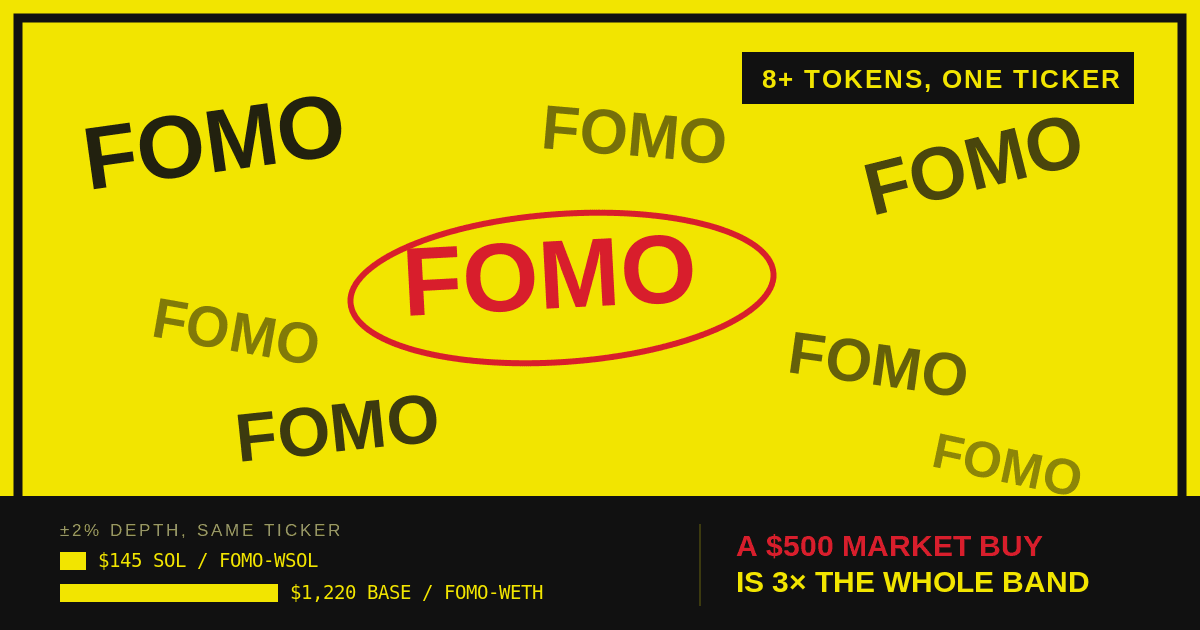
FOMO Token: Which One You're Actually Buying and the Risks
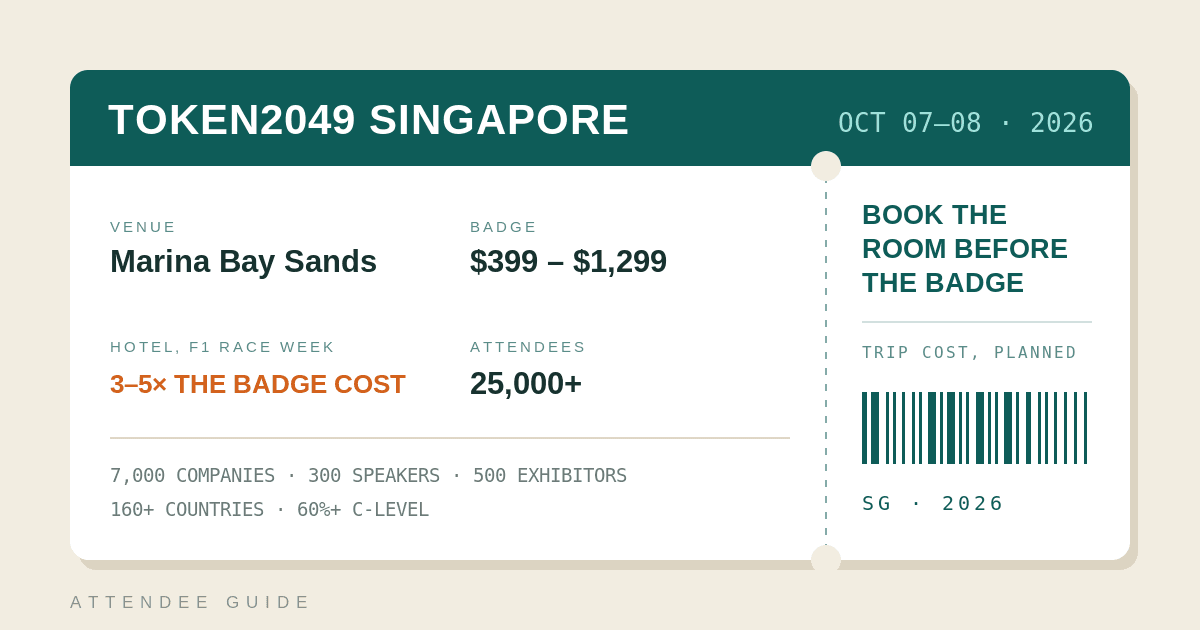
TOKEN2049 Singapore 2026: A Practical Guide for Attendees
WEEX Returns to TOKEN2049 Singapore 2026 as Platinum Sponsor
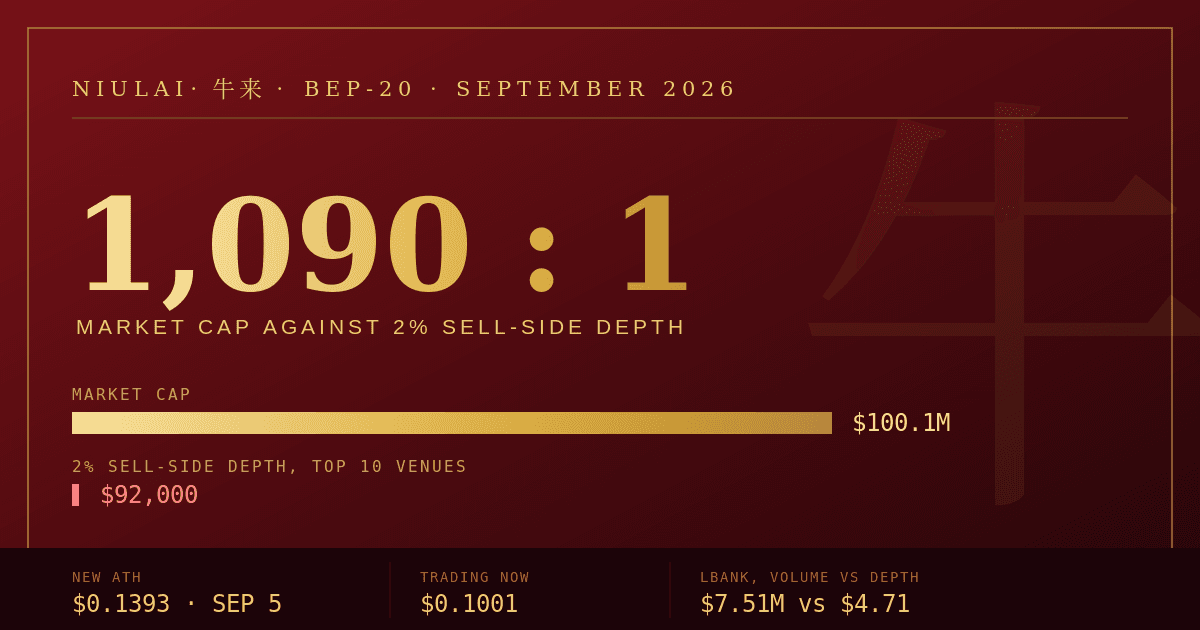
Niulai Price Prediction: A $100M Market Cap on $92K of Depth
Contents
Popular coins
Latest articles





